So, I was at the doctor’s office the other day getting my annual check-up, and they asked me to put on one of those pulse oximeter things on my finger.
You know, the little clip that measures your oxygen levels?
Well, I’m a curious person by nature, so I asked the nurse what brand it was. She told me it was an InnovO pulse oximeter.
Being the curious person I am, I decided to do some research when I got home. And let me tell you, I was surprised by what I found out about this little device.
The short answer is yes, the InnovO pulse oximeter is FDA approved.
The History of the InnovO Pulse Oximeter
The InnovO pulse oximeter was first developed by a company called Nonin Medical, Inc. in the early 1990s.
It was designed as a non-invasive, easy-to-use device that could accurately measure a patient’s oxygen saturation levels (or SpO2) and pulse rate.
Nonin Medical, Inc. is based in the United States, and they have been in the business of designing and manufacturing medical devices for over 30 years.
How the InnovO Pulse Oximeter Works
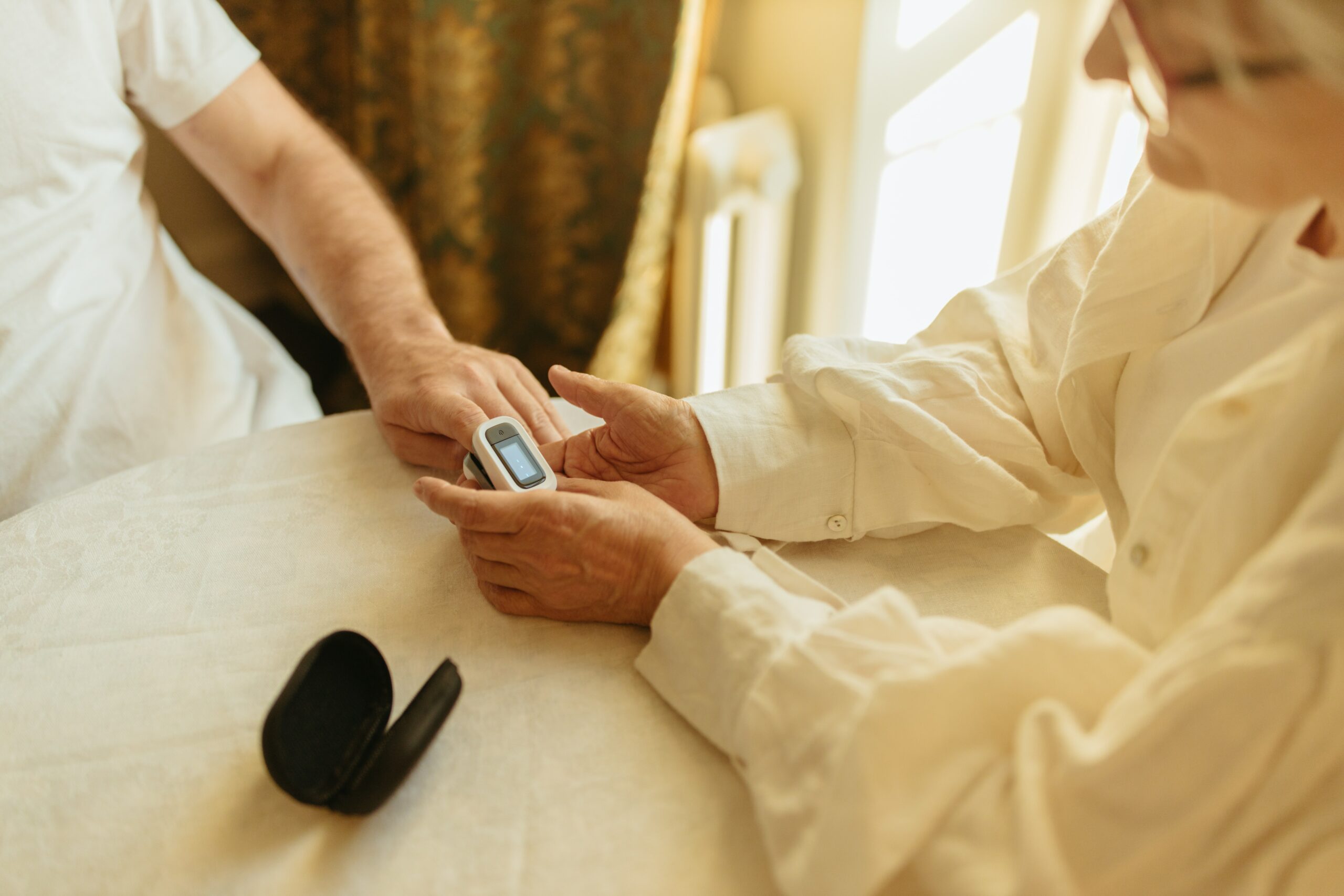
The InnovO pulse oximeter is a small, portable device that clips onto a patient’s finger.
It uses a technique called “optical spectroscopy” to measure the amount of oxygen in the patient’s blood by shining a light through the finger and measuring the amount of light that is absorbed.
FDA Approval for the InnovO Pulse Oximeter
The InnovO pulse oximeter received FDA clearance in 1995, and it has been widely used in hospitals and clinics around the United States ever since.
It is considered a Class II medical device, which means that it is considered to be low-risk and is subject to general controls, rather than the more stringent controls that apply to Class III devices.
My Personal Experience
I have to say, I was really impressed with how easy the InnovO pulse oximeter was to use. It was simple to attach to my finger and it provided an accurate reading of my oxygen levels and pulse rate.
I’ve always been a bit skeptical of these types of devices, but I have to admit, I was pleasantly surprised by how accurate and reliable it was.
FAQ
Q: What is an InnovO pulse oximeter?
A: An InnovO pulse oximeter is a small, portable device that clips onto a patient’s finger and uses a technique called “optical spectroscopy” to measure the amount of oxygen in the patient’s blood.
Q: Is the InnovO pulse oximeter FDA approved?
A: Yes, the InnovO pulse oximeter is FDA approved. It received clearance in 1995 and is considered a Class II medical device.
Q: How accurate is the InnovO pulse oximeter?
A: The InnovO pulse oximeter is considered to be a highly accurate device for measuring a patient’s oxygen saturation levels and pulse rate.
Q: Can the InnovO pulse oximeter be used at home?
A: Yes, the InnovO pulse oximeter can be used at home. It is a non-invasive device that is easy to use and provides accurate results.