



Skip to content

Home health devices

What does that number on the screen actually mean?

A pharmacist's plain-English guide to the devices people use at home — pulse oximeters, CPAP machines, sleep trackers and hearing aids. What the readings mean, which features are worth paying for, and when to stop reading and call your doctor.

  • Written by a pharmacist
  • No manufacturer sponsorships
  • Plain English
  • Says when to see a doctor

Explore

What are you trying to work out?

Every guide on the site, grouped by the device in your hand.

Comparisons

Which one should you buy?

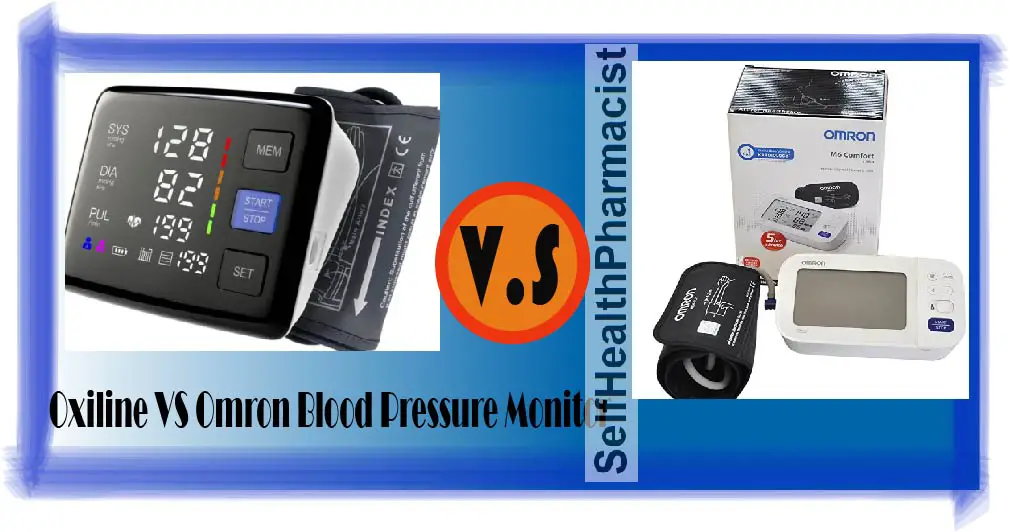
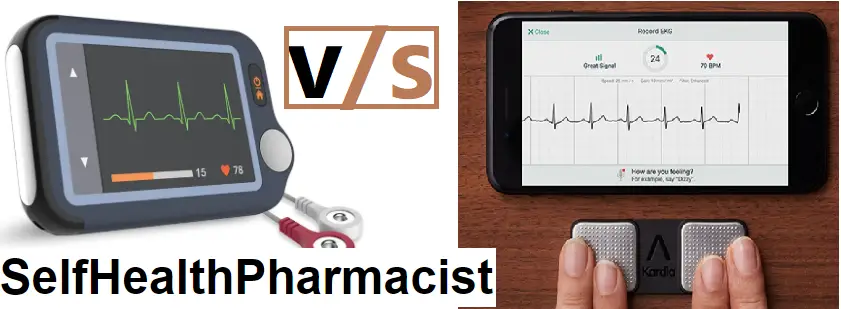
Two devices, side by side, compared on the things that actually differ.

Fresh

Latest guides

Newest first.

Sleep

11+ Best White Noise Fans for Your Peaceful Sleep

Ever felt like you’re starring in your own late-night symphony, conducted by creaky floors and distant sirens? I’m Julia, and I’ve danced that sleep-deprived tango. Did…

Updated March 12, 2024

Method

How I judge a device

Home health gadgets are sold on features that sound impressive and rarely matter. These are the five things I actually check.

01

Is it accurate enough to act on?

A consumer oximeter has a margin of error. If a device cannot tell 94% from 90%, its readout is decoration.

02

Can you read it?

Screen size, contrast and whether the display rotates. This is the single most common complaint I hear, and reviews almost never mention it.

03

Does it fit the person using it?

Cold hands, thick fingers, nail polish, tremor. All of them change whether a fingertip device works at all.

04

What happens to your data?

Whether it needs an app, an account, or a subscription to show you your own readings.

05

When does it stop being enough?

Every guide here says plainly at what point a device is no longer the right tool and you need a clinician.

Get More Decorating Ideas Continue Reading →