Author: Shirley
Shirley is the pen name on Self Health Pharmacist's guides to home health devices: what the numbers mean, which features matter, and when to call your doctor. The site is written by a small team under pen names; we are not pharmacists, and this is not medical advice.
-
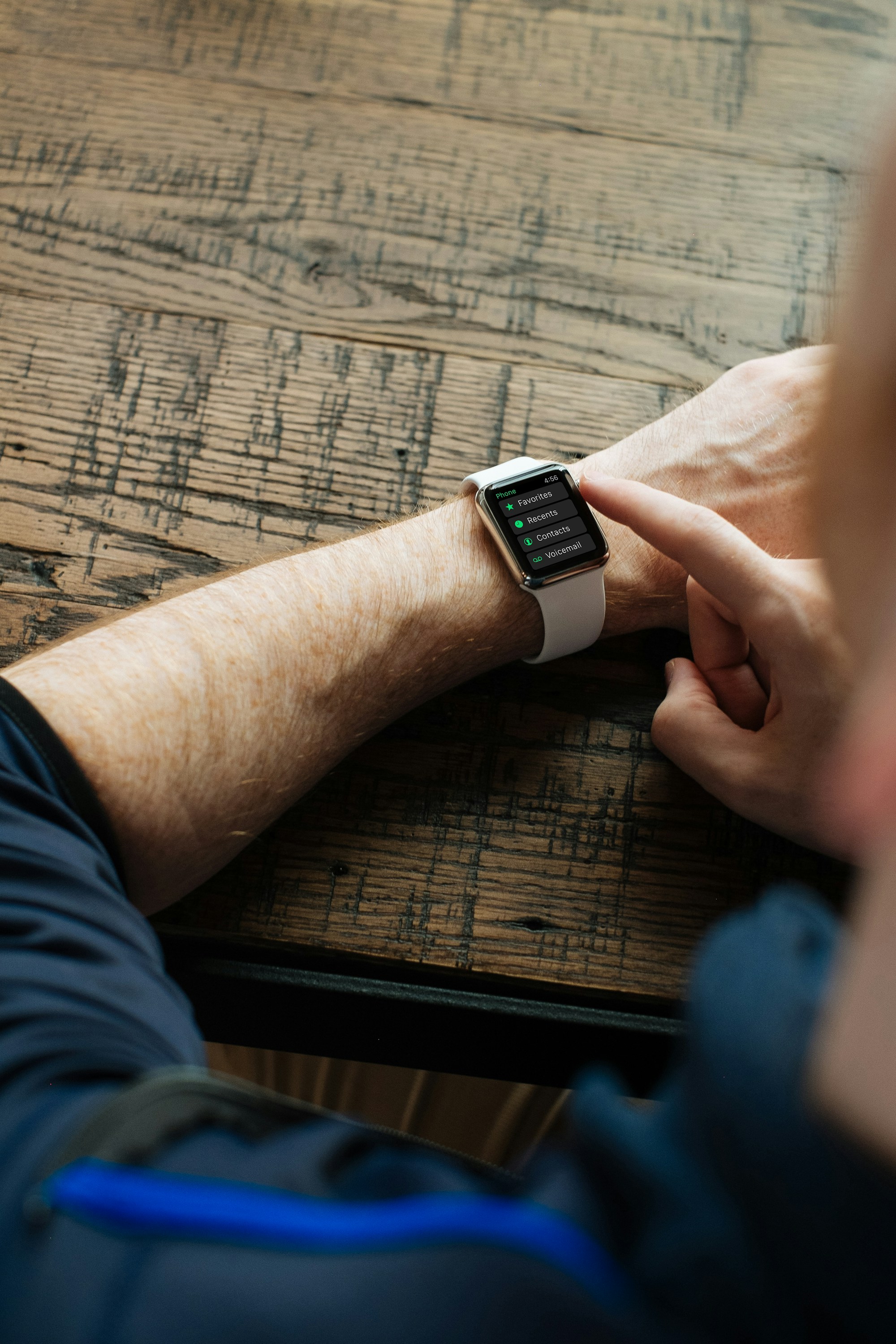
Wrist Heart Rate Accuracy: How Close Your Watch Gets During a Workout
On a steady walk, run or bike ride, a good watch usually lands close to a chest strap. The error grows when…
-

Body Fat Scale Accuracy: How Close Your Smart Scale Really Gets
The weight on a smart scale is usually right to within a pound. The body fat number is not. In a 2021…
-

Blood Glucose Meter Accuracy: How Far Off Can the Reading Be?
A home blood glucose meter doesn’t have to match the lab exactly. The FDA’s guidance for meters sold over the counter asks…
-
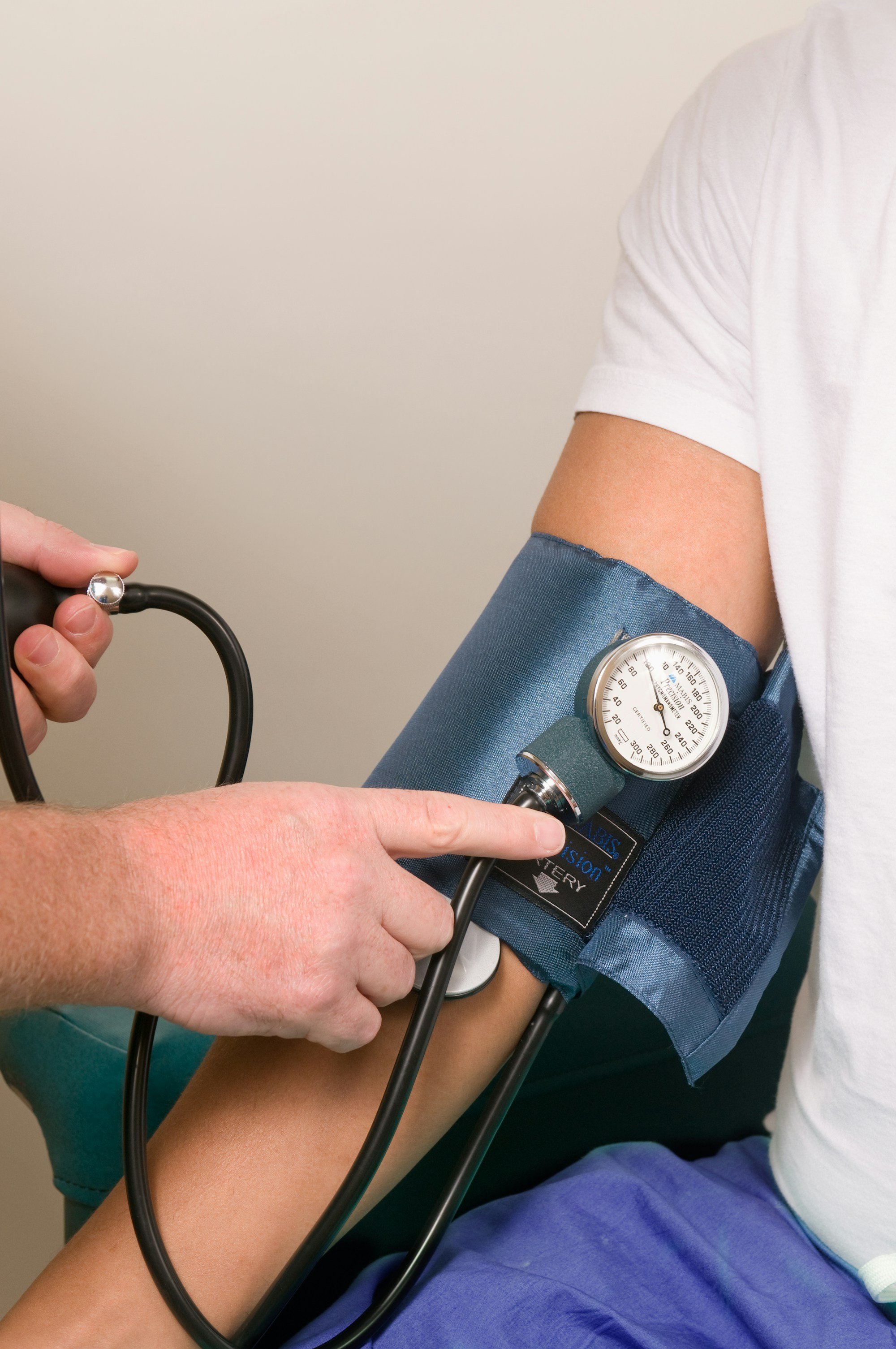
Blood Pressure Cuff Size: How to Measure Your Arm and Pick the Right One
Before you buy a blood pressure monitor, wrap a soft tape around the middle of your bare upper arm and write the…
-
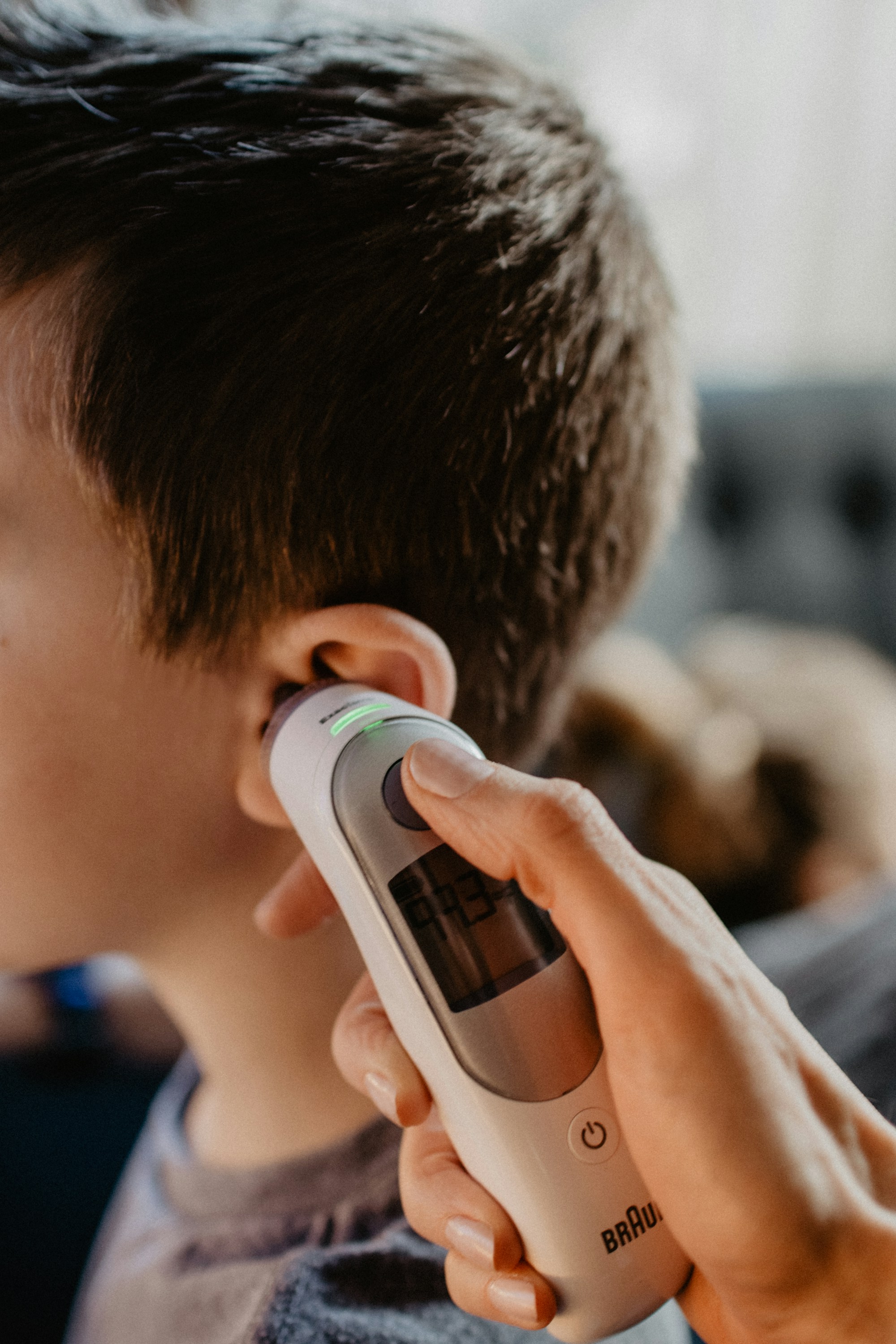
Forehead vs Ear Thermometer: Which Reads Truer at Home
Short answer: a forehead thermometer reads a little truer than an ear one, as long as you use it the way the…
-

Oxygen Desaturation Index: Reading the ODI on Your Overnight Report
ODI stands for oxygen desaturation index. It’s the average number of times an hour your blood oxygen dipped a set amount below…
-

Perfusion Index on a Pulse Oximeter: What the PI Number Means
PI stands for perfusion index. It’s the small number many fingertip oximeters show next to your oxygen (SpO2) and pulse, and it…