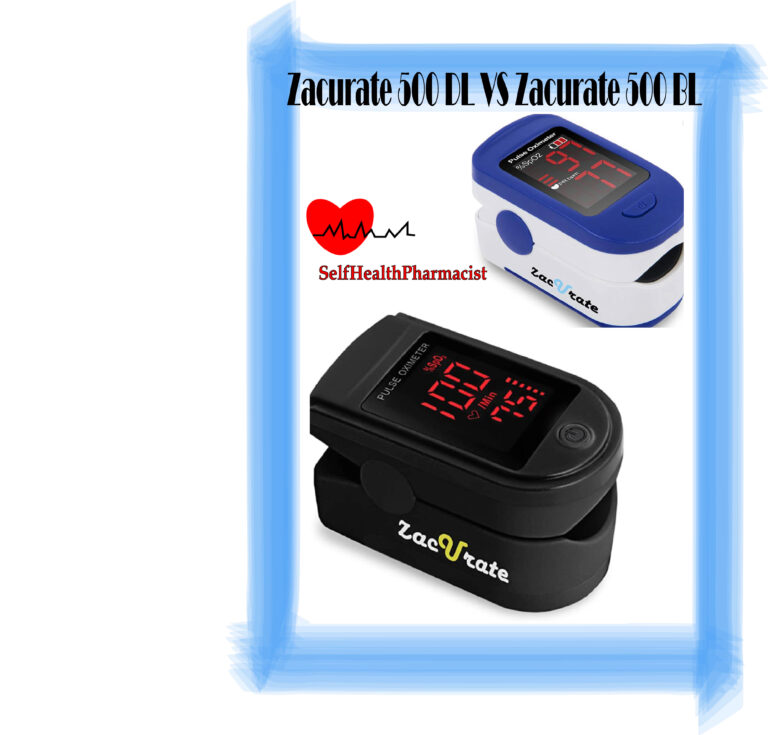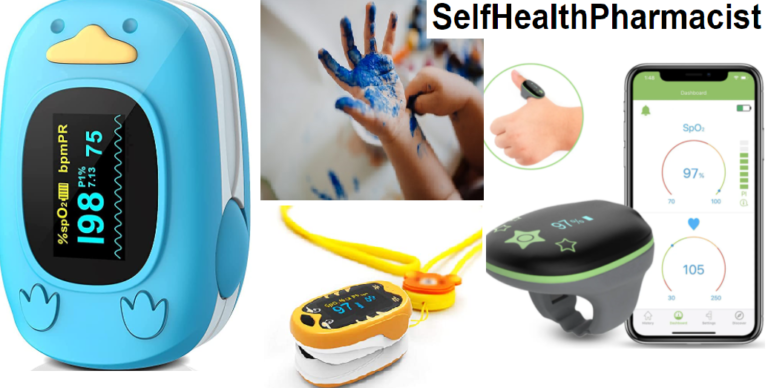

PI stands for perfusion index. It’s the small number many fingertip oximeters show next to your oxygen (SpO2) and pulse, and it tells you how strong the pulse of blood is in the spot the sensor is reading. It isn’t an oxygen number at all. A high PI means a strong pulse signal; a low PI means a weak one, and when it’s very low, the oxygen reading beside it gets less trustworthy. That’s really the main job of that little number: it tells you how much to believe the other two.
I get asked about it across the counter more than you’d think, maybe once or twice a week in the cold months. Someone holds up the display, points at “PI 0.4,” and wants to know if something’s wrong with their circulation. Usually the answer is their hands are cold. But not always, so let’s walk through it.
A quick word before we start: a home oximeter is not a diagnosis, and neither is this post. If a reading worries you, or you don’t feel well, call your doctor.
What the PI Number Actually Measures

Your oximeter shines light through your fingertip and measures how much comes out the other side. Some of what blocks the light stays steady: skin, bone, the blood that’s just sitting in your tissues. Some of it pulses, because with every heartbeat a little extra blood pushes into the small arteries.
PI compares those two. It’s the pulsing part of the signal divided by the steady part, shown as a percent. A strong, full pulse at the fingertip gives a bigger number. A weak, thin one gives a small number.
That’s why it’s so useful to the device. The oximeter figures out your oxygen level from that pulsing part. If the pulse is faint, it has less to work with, and the oxygen number on the display has more room to be off.
Read more: How to Read a Pulse Oximeter, for Beginners
There’s No Single Normal Range for PI
This is the part that surprises people. Oxygen has a normal range everybody quotes. PI doesn’t, not really.
Masimo, the company behind a lot of hospital oximeters, says its devices can show a PI anywhere from 0.02% to 20%. That’s a huge spread. Your number depends on which finger you use, how warm you are, how you’re sitting, and plain old you. Two healthy people side by side can read very different numbers, and so can the same person an hour apart.
Researchers pick their own lines, too. A 2024 study written by Masimo’s own scientists called a PI of 1 or below “low perfusion.” A 2024 study of hospital patients found readings went wrong more often below a PI of 0.6. So if you see a chart online with one neat “normal PI,” take it with a grain of salt.
What I tell people is simpler: learn your own usual PI on a warm, rested day, and notice when it’s much lower than that.
Why Cold Hands Drag the Number Down

When you’re cold, your body pulls blood away from your fingers to keep your core warm. The little blood vessels in your fingertips narrow. Less blood pulses through them with each beat, so the sensor sees a weaker pulse, and the PI drops.
In my experience, this is the number one reason for a low PI at home. Somebody walks in from the parking lot in January, clips on the oximeter, and gets a PI under 1 and an oxygen number that keeps jumping around. Ten minutes later, with warm hands, both settle down. I’ve watched that happen more times than I can count.
Other things can do it too: squeezing your hand, gripping the device, holding your arm up high, smoking, or a condition that affects your circulation. That last one is a doctor question, not an oximeter question. If your PI is low even when you’re warm and relaxed, mention it at your next visit.
Try It Yourself: Watch Your PI Move in 10 Minutes

If your oximeter shows PI, this little experiment teaches you more than any chart. I did it at my own kitchen table on a chilly morning, and I’d suggest everyone who owns one try it once. It’s harmless, and it takes about 10 minutes.
Start right after you come in from outside, or after holding something cold for a minute or two. Sit down, rest your hand on the table, clip the oximeter on, and wait about 30 seconds for the numbers to settle. Write down the oxygen, the pulse and the PI.
Now warm your hands. Run them under warm (not hot) water for 2 minutes and dry them off, or wrap them around a warm mug, then sit for another 5 minutes. Clip on again, wait the same 30 seconds, and write the three numbers down a second time.
In my experience, the PI usually climbs, sometimes a lot, and the oxygen number tends to hold steadier on the second try. That’s the whole lesson in two readings: same person, same finger, same device, and the warm hand gives the oximeter a stronger pulse to read. Nothing about your lungs changed in those 10 minutes; your fingertips did.
If your PI barely moves even with warm hands, don’t panic. Some people just run low. But it’s worth jotting down and showing your doctor, along with the device you used.
When a Low PI Makes the Oxygen Reading Less Reliable

Here’s the research that matters most for you at home.
That hospital study, published in 2024 in the Journal of Emergency and Critical Care Medicine, compared fingertip readings with arterial blood tests from 80 patients, 330 pairs of numbers in all. When the PI was under 0.6, the oximeter was off by 5 points or more 13.2% of the time. At higher PIs, that happened 3.8% to 5.1% of the time. Worse, the low-PI patients were more likely to have less oxygen in their blood than the oximeter showed.
The Masimo lab study found the same direction, in healthy volunteers with its own hospital sensors: the average error grew from 1.37% with a normal PI to 1.64% with a low one. That’s a small change on a very good device in a lab, which is not the same thing as a cheap clip at your kitchen table.
And remember the error band every oximeter carries, even on a good day. The FDA has said that when an oximeter it has cleared reads 90%, your true oxygen level is generally somewhere between 86% and 94%. Many over-the-counter oximeters sold for “wellness” or sports never go through FDA review at all, so their band can be wider. A low PI on top of that is a good reason not to make any decision off one reading.
Read more: Which Pulse Oximeters Are FDA-Approved?
How to Get a Reading You Can Trust

Most of this comes straight from the FDA’s advice for people using oximeters at home, plus a couple of things I’ve learned from watching people use them.
Warm your hands first. Sit down and rest for 5 minutes or so. Take off any nail polish on the finger you’re using, since polish can block the light. Rest your hand on a table or your lap, below heart level, and keep it relaxed and still. Then wait. Don’t trust the first number that pops up (it’s often off for the first few seconds); watch the display until the numbers stop changing and the PI looks steady, then write it down.
If the PI is very low or keeps jumping, try a different finger. Still low? Warm up some more and try again in a few minutes.
The FDA also says to watch the trend over time, not one single reading, and I can’t stress that enough. A log of readings taken the same way each day, at about the same time, tells your doctor far more than one scary number on a cold morning. I keep mine on a sticky note on the fridge, and two weeks of it fits on one.
Read more: Pulse Oximeter Readings Chart Explained: From 95% to 100%
When to Call Your Doctor, and When to Call 911

You don’t call your doctor because of the PI by itself. The PI tells you how much to trust the oxygen reading. Your doctor decides what an oxygen number means for you, and the numbers that matter can be different if you have a lung or heart condition. If you don’t know your target, ask them for it and write it next to your oximeter.
Call your doctor if your oxygen reading stays lower than your usual, or lower than the number they gave you, after you’ve warmed up and rechecked. Call them too if your PI is low every time even with warm, relaxed hands, or if your fingers often go white, blue or numb in the cold.
And don’t wait for any device if you have trouble breathing, chest pain or pressure that won’t go away, new confusion, trouble staying awake, or lips, skin or nail beds that look gray or blue. Call 911 or get to an emergency room. If you live alone, tell someone or call someone. Your symptoms always outrank the display.
If you want a second look at a number you’ve written down, our free oxygen level checker walks you through it. Just remember, like everything here, it’s a starting point for a talk with your doctor, not the end of one.