Wait at least 30 minutes after a workout before you take your blood pressure, then sit quietly for another five minutes before you press start. That’s the American Heart Association’s advice for home readings, and it’s the answer I give across the counter more weeks than not.
A reading taken right after exercise can fool you in both directions. While you’re moving, the top number climbs. Afterward, especially after a long walk or a bike ride, it can dip below where you started and stay lower for hours.
Honestly, neither number is your real blood pressure. Your real blood pressure is the one you get rested, seated, at the same time of day, two readings a minute apart.
One thing before we start. I’m a pharmacist, not your doctor. I can tell you how to get an honest number out of a home monitor. What that number means for you, and whether anything about your treatment should change, is a conversation for your doctor.
Here’s what I’ll go through:
- what exercise does to the reading while you move, and afterward
- the 30-minute rule and the rest of the checklist
- what counts as the normal range (it doesn’t change after a workout)
- why a weight-lifting session is its own story
- how far off a good home monitor can be
- when a number after exercise means call someone
What Exercise Does to the Reading
When you exercise, your muscles need more blood, so your heart pumps harder. The top number on the display, the systolic pressure, goes up. That’s the normal response, and in healthy people it can go up a lot.
How much? Cardiologists measure it on treadmills. In exercise testing, the usual line for “exercise hypertension” is a peak systolic of 210 in men and 190 in women. A University of Illinois Chicago team went through stress tests from 1,605 healthy men and 1,312 healthy women between 20 and 79, and found that the peak top number rose with age up to about 60, then leveled off.
Those are numbers taken by trained staff during a supervised test. They aren’t a target for your home monitor, and nobody should try to take a cuff reading in the middle of a jog.
The part most people don’t know about is what happens after. The American College of Sports Medicine’s 2004 position stand on exercise and high blood pressure says blood pressure can stay lower for up to 22 hours after an endurance workout. The drop is biggest in people whose blood pressure was highest to begin with.
So the same person, on the same afternoon, can get a high reading at the end of a workout and a lower-than-usual reading after dinner. Both come from the same workout.
The 30-Minute Rule and the Rest of the Checklist
The American Heart Association’s home monitoring page lists the steps. I keep a printed copy behind my counter. Here they are in plain words:
- Don’t exercise, smoke or have caffeine within 30 minutes before you measure.
- Empty your bladder first.
- Take the reading on a bare arm, never over a sleeve.
- Rest quietly for at least five minutes. No talking, no phone.
- Rest your arm on a table so the middle of the cuff sits at heart level. Prop a pillow under it if you need to.
- The bottom of the cuff goes just above the bend of your elbow.
- Take two readings one minute apart, and write both down.
- Measure at the same time every day.
People ask me about cold hands a lot, because cold hands are what trip up a fingertip oximeter. With a blood pressure cuff, the troublemakers I see most are different: a rolled-up sleeve squeezing the arm, an arm hanging down by the side, and chatting with someone while the cuff inflates.
After a workout I’d add one thing of my own. Cool down first. The AHA warns that if you stop exercising too quickly, your blood pressure can drop sharply. Walk it off for a few minutes, then start your 30 minutes.
The Normal Range Doesn’t Change After a Workout
The categories on the AHA’s chart are the same before and after exercise. They were never meant for a reading taken ten minutes after a run. Here’s the chart, for a rested reading:
- Normal: under 120 on top and under 80 on the bottom.
- Elevated: 120 to 129 on top, and under 80 on the bottom.
- Stage 1 high blood pressure: 130 to 139 on top, or 80 to 89 on the bottom.
- Stage 2 high blood pressure: 140 or higher on top, or 90 or higher on the bottom.
- Severe: higher than 180 on top, or higher than 120 on the bottom.
Notice the little “or” in Stage 1 and Stage 2. Only one of the two numbers has to be in that range for the reading to land there.
The AHA’s chart also carries a note I wish more people read. Only a doctor or other medical professional can confirm a high blood pressure diagnosis, and they’re also the ones to judge a low number. A device is not a diagnosis. If you’d like a second pair of eyes on a single reading, our blood pressure reading checker shows which band it falls in. It can’t tell you what to do about it.
The Dip After a Long Walk
This is the part that confuses people most, in my experience. And it’s actually good news.
More than one customer has started walking every evening because their doctor asked them to. They check their pressure when they get home, see lovely numbers, then come in to ask whether that means they can skip their pills.
The answer is no, and the AHA says so plainly: don’t stop a blood pressure medicine without checking with your healthcare professional, no matter what your home readings say.
What he was seeing has a name, post-exercise hypotension. The ACSM position stand puts the drop at about 5 to 7 mm Hg in people with high blood pressure, after a single session or after weeks of training. A few points like that can move a reading from one band on the chart to the next one down.
That drop is good news over the long run. It just makes a post-walk reading a poor picture of your usual day. If you only ever measured after walks, your log would look better than your real average, and your doctor would be judging your treatment on the rosiest numbers of the week.
So I suggest moving the readings to a time before the walk, the same time every day, and telling the doctor about the change. The log gets more honest. The walking stays.
If you ever feel dizzy or lightheaded after exercise, sit down, and tell your doctor about it. Don’t guess at the reason, and don’t change your medicine on your own.
Weights and Holding Your Breath
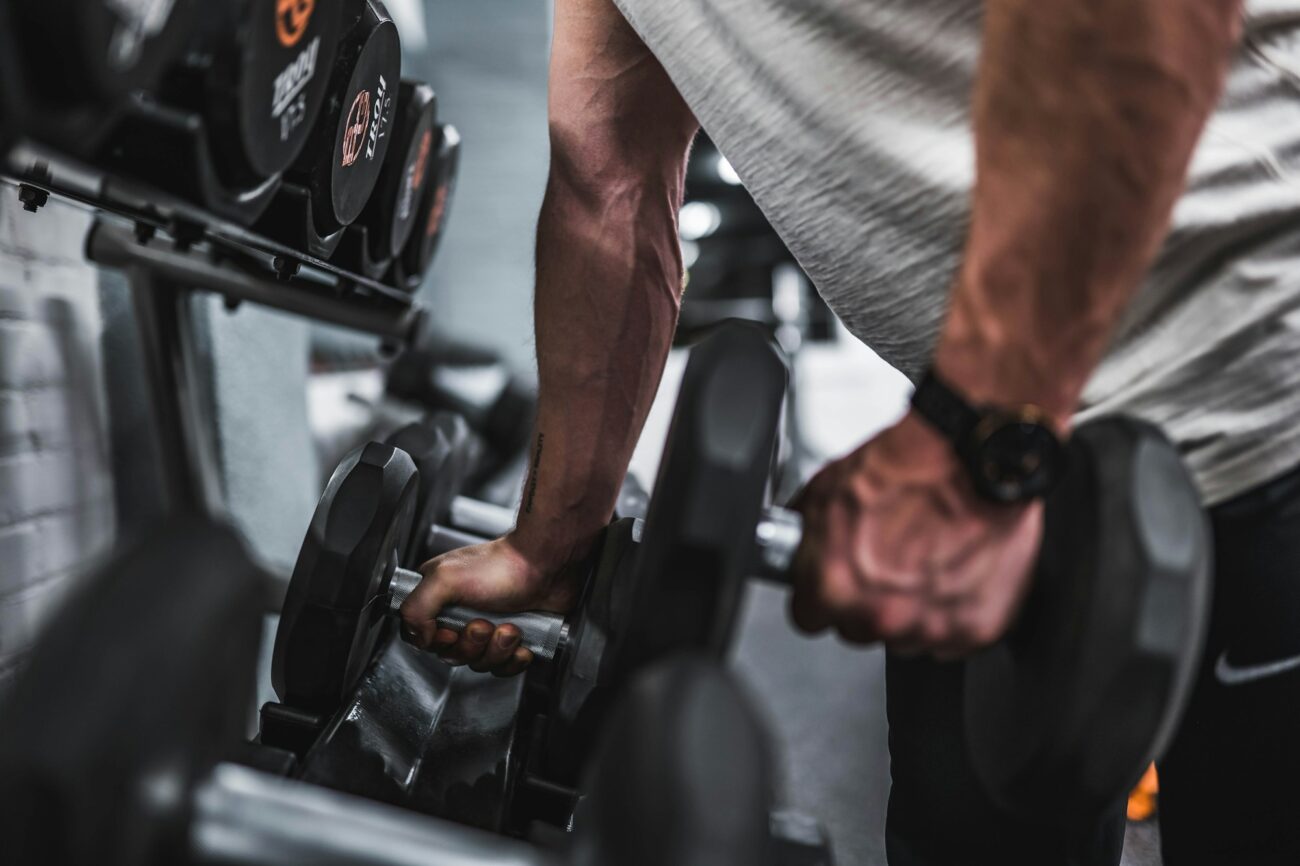
Lifting is a different animal from a walk.
In a 1985 study in the Journal of Applied Physiology, researchers measured the blood pressure of five experienced bodybuilders directly, through a thin tube placed in an artery in the arm. During a heavy double-leg press, the group’s average peak hit 320/250 mm Hg. One man went past 480/350. Even a single-arm curl taken to failure averaged a peak of 255/190.
Part of that came from holding the breath and straining, the way most of us do on a hard lift without thinking. The pressure fell again as the weight came down.
I’m not telling you to stop lifting. The AHA’s own activity advice includes resistance training. My point is about the reading. A home cuff can’t catch those peaks, and a cuff reading taken between sets will just be noise. Wait the same 30 minutes, rest the same five, and measure the same way.
If you have high blood pressure, or heart trouble of any kind, ask your doctor before you start heavy lifting. The ACSM position stand says people with high blood pressure can exercise, but should be evaluated and monitored closely.
How Far Off a Home Monitor Can Be
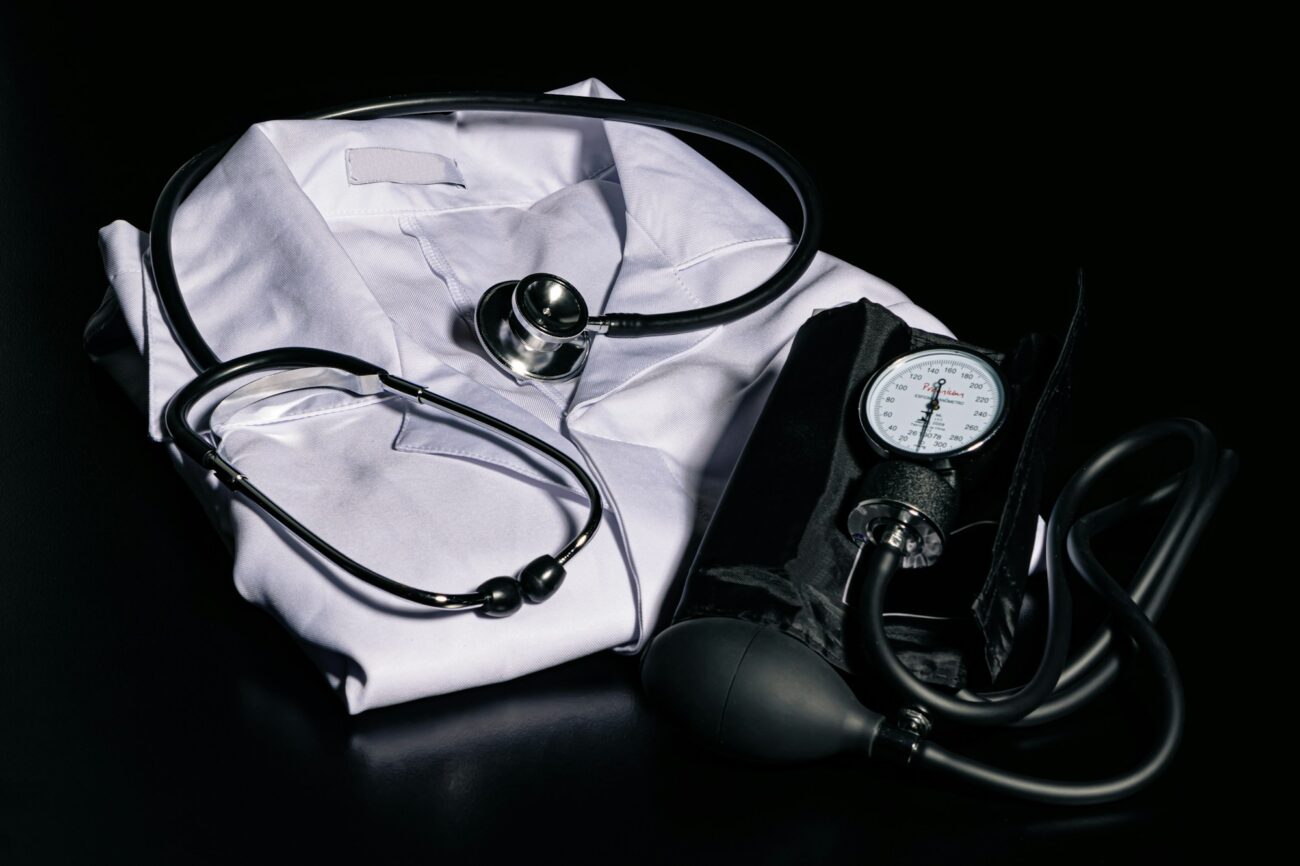
Even a good monitor, used perfectly, gives you a reading with an error band.
To pass the international validation standard (ISO 81060-2), a monitor’s readings, averaged over a whole test group, have to come within 5 mm Hg of readings taken by trained observers, with a standard deviation of no more than 8 mm Hg. That’s an average across many people. On one person, on one morning, a validated monitor can still be off by more than 5.
That’s why I never get too excited about a single number on the display, high or low. Neither should you.
What the AHA recommends:
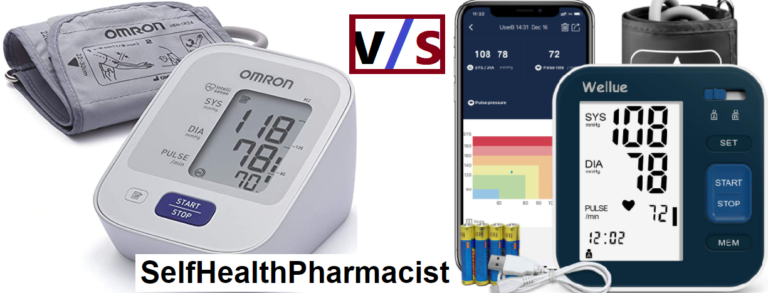
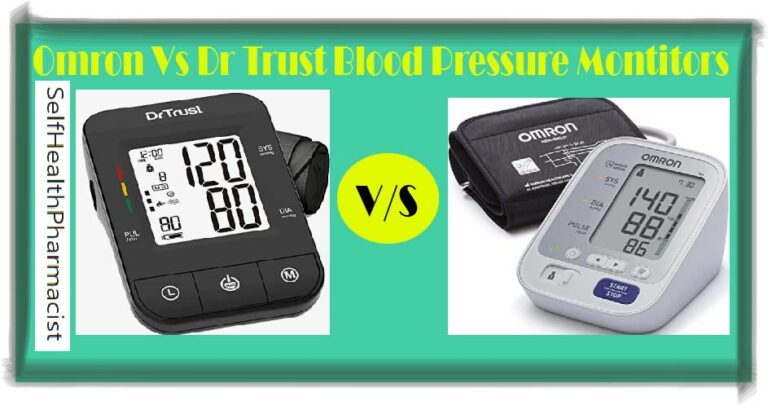
- An automatic cuff that goes on your upper arm. Wrist and finger monitors are not recommended because their readings are less reliable.
- A monitor that has been validated. The AMA’s free list at validatebp.org shows which ones have.
- The right cuff size for your arm. Measure around your upper arm before you buy.
- Bring it to your next appointment, and once a year after that, so someone can compare it to the office’s equipment.
The AMA has a simple office check for that last step. Someone on your care team takes readings with your monitor and with the office’s own. If the two differ by less than 5 mm Hg, your monitor is fine to use. Between 6 and 10, they take a second round. More than 10, replace it.
If you’re shopping, I compared two of the big brands in Beurer vs Omron. Whichever you pick, check it on validatebp.org first.
When an After-Workout Number Means Call Someone
The AHA says a single high reading isn’t an immediate cause for alarm. Take it again, write both down, and check with your healthcare professional.
There is one line where I’d stop reading blogs and act. If your reading is suddenly higher than 180/120, wait at least one minute and test again. If it’s still that high, contact your healthcare professional right away.
And call 911 if you’re over 180/120 and you have any of these:
- chest pain
- shortness of breath
- back pain
- numbness
- weakness
- a change in your vision
- trouble speaking
The AHA calls that a hypertensive emergency. Don’t wait to see whether it comes down on its own.
The same goes for chest pain during exercise, whatever the cuff says. That isn’t a moment for a home device at all. Call someone.
How I’d Keep the Log

A single reading is a snapshot. A log is the whole photo album, and it’s what your doctor can actually use.
Here’s how I’d set it up if you exercise most days:
- Pick one time for your readings and stick to it. Morning before any exercise is easiest for most people.
- Take two readings a minute apart and write down both.
- Add a short note on days you exercised, and when. “Walked 4 p.m.” is enough.
- If you ever measure after a workout, mark it, so nobody mixes it in with your rested numbers.
Our free home blood pressure log keeps the readings and shows your 7-day average, which is a far better number to bring to an appointment than any one reading. If you track your workouts by heart rate, the heart-rate zones tool is on the same site.
The Short Version
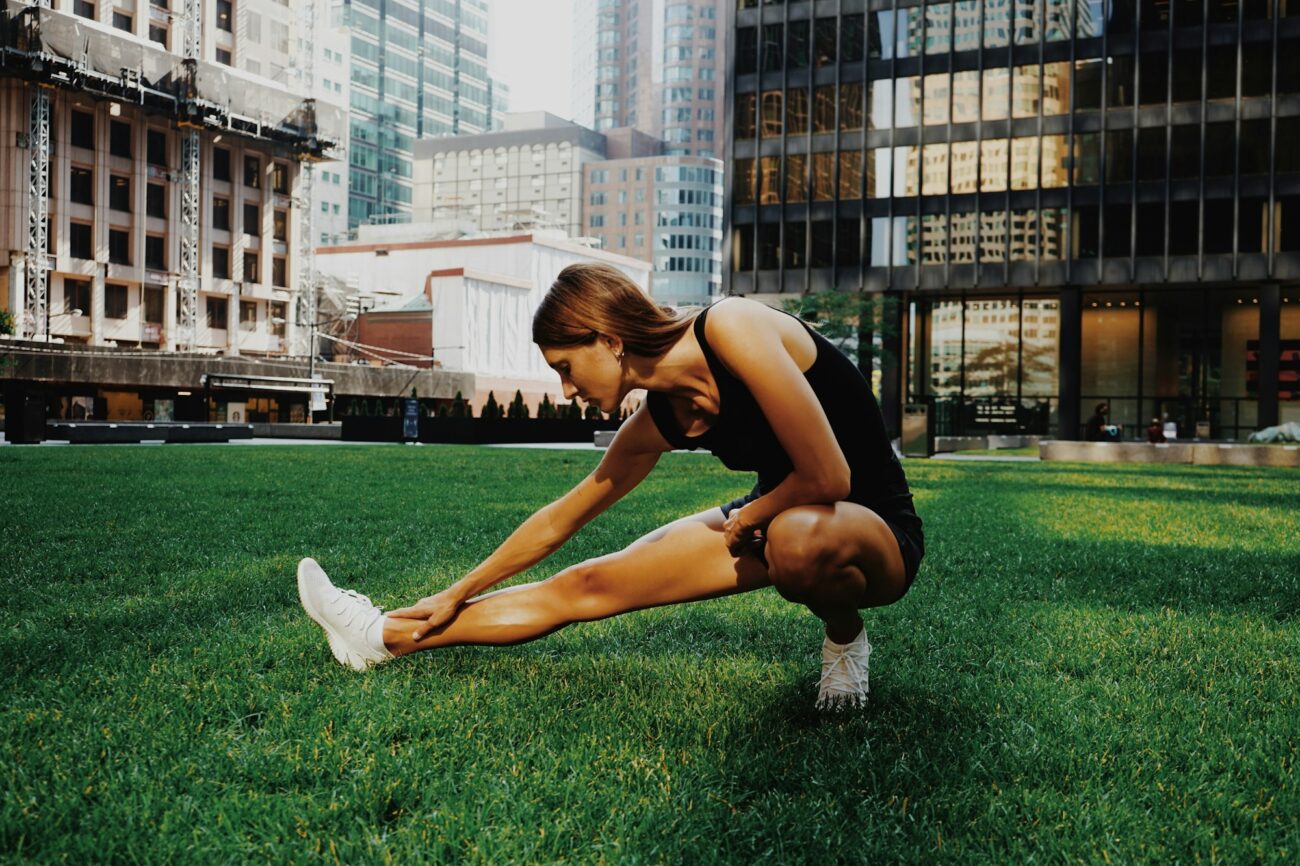
Exercise pushes the top number up while you’re doing it, and it can pull your blood pressure down for hours afterward. So a reading taken soon after a workout tells you very little about your usual blood pressure.
Cool down, wait 30 minutes, sit for five, and take two readings a minute apart on a bare arm, at the same time each day. Use a validated upper-arm monitor, and remember it can still be a few points off.
And keep exercising. The AHA’s goal for adults is at least 150 minutes of moderate activity a week, and your log will thank you for it.
Got a reading that puzzles you, or a monitor you’re not sure about? Ask in the comments. And for anything about your own numbers or your medicine, your doctor is the one to call.